

Landlord insurance is a specialized property and liability policy designed to protect property owners who rent out a residential building to tenants for a profit. In Massachusetts, where the rental market is competitive and tenant laws are complex, anyone moving from an owner-occupied home to a rental venture needs this specific coverage to safeguard their physical and financial assets.
Because a standard homeowners policy usually excludes business activities like renting out your home, having dedicated protection ensures that a tenant-caused fire or a slip-and-fall lawsuit doesn’t result in a total financial loss.
Why Your Homeowners Policy Isn’t Enough for a Rental
Many Massachusetts property owners assume that if they move out of their primary residence and rent it to someone else, their existing homeowners insurance will follow them. This is a common and costly misconception. Homeowners insurance is strictly designed for owner-occupied properties. Once you stop living on the premises and start collecting rent, the “occupancy” of the building changes, and the insurance carrier views it as a business.
If a claim occurs while a tenant is living in the home and you still only carry a homeowners policy, the carrier may deny the claim entirely based on a breach of the residency requirement. Landlord insurance (often referred to as a Dwelling Fire policy) is the correct legal and professional tool for the job.
Coverage for the Structure vs. Personal Belongings
The most significant difference between these two policies lies in what they cover inside the four walls of the home.
- Homeowners Insurance: Designed to cover the structure and all your personal belongings—furniture, electronics, clothing, and jewelry.
- Landlord Insurance: Focuses on the “dwelling” itself. It typically does not cover the tenant’s personal property. As a landlord, your policy covers the building and landlord-owned items like appliances (stove, refrigerator) or lawn maintenance equipment kept on-site.
Because you aren’t insuring the contents of the home, the “Personal Property” limit on a landlord policy is usually much lower, which can sometimes lead to more competitive premiums for the building itself.

Liability Protection in the Massachusetts Rental Market
Liability is where the stakes are highest for Massachusetts property owners. If a tenant or one of their guests is injured on your property—perhaps due to a loose stair railing or an icy sidewalk—you can be held legally responsible for their medical bills and pain and suffering.
A homeowners policy provides “Personal Liability” for you and your family. Landlord insurance provides “Premises Liability,” which is specifically tailored to the risks associated with the rental property. In a state like Massachusetts, where “slip and fall” claims are common during the winter months, having liability limits that account for the business nature of your property is essential for protecting your personal savings and other investments.
Loss of Rental Income: The Landlord’s Safety Net
Perhaps the most valuable feature of landlord insurance that is completely absent from homeowners insurance is “Loss of Rent” or “Fair Rental Value” coverage.
If a covered peril—such as a fire or a major pipe burst—makes your rental property uninhabitable, your tenants will move out and stop paying rent. However, your mortgage and tax obligations won’t stop. This coverage reimburses you for the lost rental income while the property is being repaired, ensuring that a physical disaster doesn’t turn into a financial one.
The Role of Renters Insurance
As a landlord in Massachusetts, your policy protects the building, but it does nothing for the people living inside it. This is why we always recommend making Renters Insurance a requirement in your lease agreement.
When your tenant has their own policy, it covers their personal belongings and provides them with their own liability protection. This “layering” of insurance reduces the likelihood of the tenant attempting to sue your landlord policy for damage to their furniture or electronics after a minor leak. It creates a clear boundary: you protect the structure, and they protect their life inside it.
What Factors Impact Landlord Rates in Massachusetts?
When MacDonald & Pangione Insurance Agency evaluates a rental property, we look at factors specific to the Massachusetts market:
- Number of Units: A single-family home has a different risk profile than a three-decker in Amesbury.
- Age of Systems: Updated electrical, plumbing, and heating systems are critical for securing the best rates and preventing claims.
- Location: Proximity to the coast or high-traffic urban areas can influence premiums.
- Short-Term vs. Long-Term: Renting via platforms like Airbnb (short-term) often requires different endorsements than a traditional one-year lease.
Why Partner With MacDonald & Pangione Insurance Agency?
With decades of experience serving North Andover and the surrounding communities, MacDonald & Pangione Insurance Agency understands the nuances of being a landlord in Massachusetts. We don’t just provide a policy; we provide a risk management strategy.
As an independent agency, we compare multiple carriers to find the best value for your specific rental property, ensuring you have the right balance of dwelling coverage and liability limits. We help you navigate the transition from homeowner to landlord with ease, ensuring your investment is protected from day one.
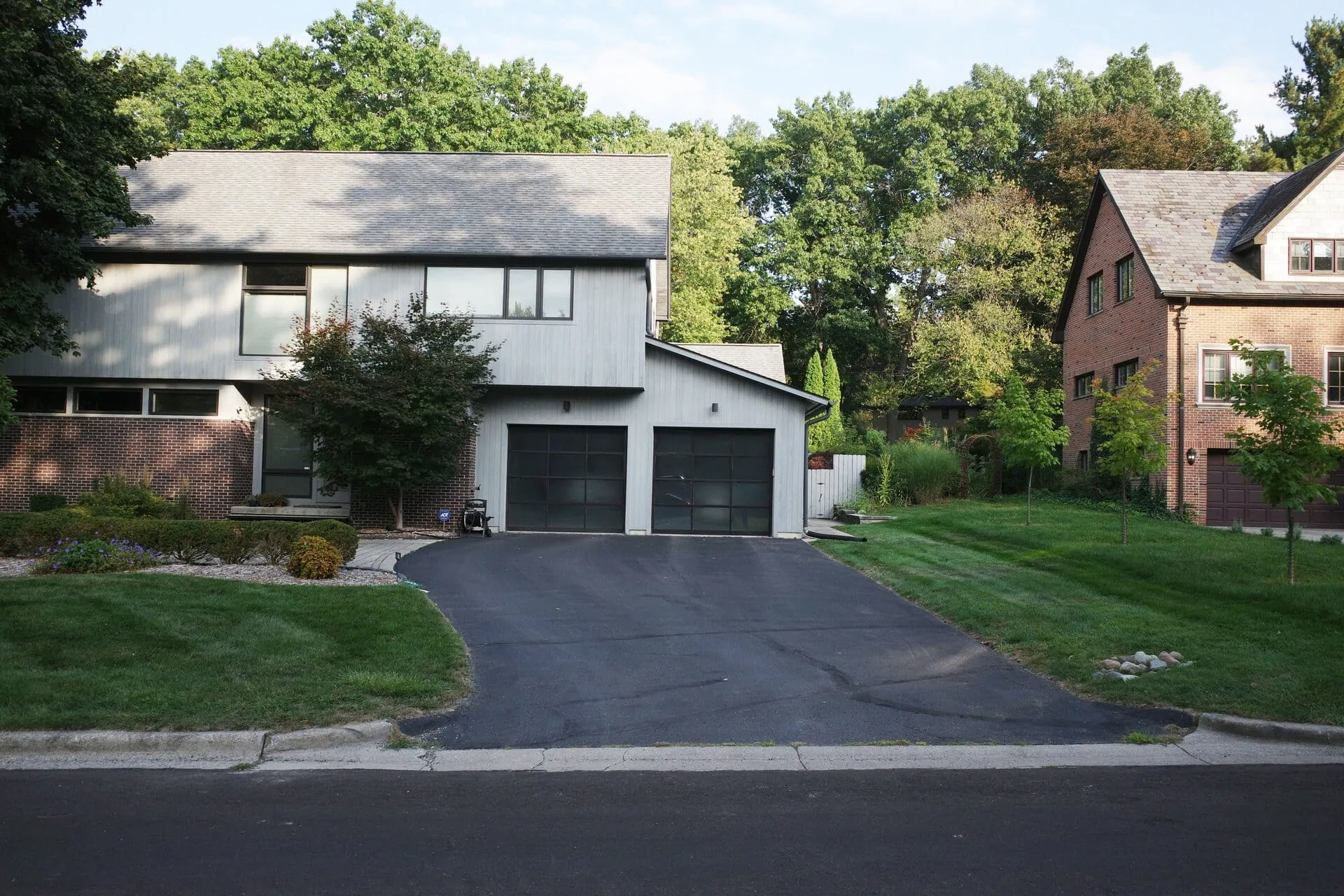
Get Started With A Landlord Insurance Quote in Massachusetts Today
Transitioning your property into a rental is a major financial step, and ensuring it is properly insured is the most important part of that process. Securing a robust landlord insurance policy provides you with the peace of mind that your investment is protected against the unique challenges of the rental market. Whether you are becoming a first-time landlord or managing an expanding portfolio of properties in Massachusetts, our team at MacDonald & Pangione Insurance Agency is ready to help.
To explore your options and receive a personalized quote, please get in touch with our specialists or submit our online form today. We look forward to helping you grow your rental business safely.
Related Posts



Get in Touch
Residents of Vermont can contact our representatives for assistance with their insurance needs. If you have questions or would like a quote, please contact us!

